








Access Denied
IMPORTANT! If you’re a store owner, please make sure you have Customer accounts enabled in your Store Admin, as you have customer based locks set up with EasyLockdown app. Enable Customer Accounts

Where Pacific Islanders Originally Came From
Posté par Nesian Kulture
on
The Lapita People and the Story of Our Pacific Identity
Pacific Islanders come from one of the greatest human journeys ever recorded. Long before borders, flags or modern nations existed, our ancestors were already crossing oceans larger than entire continents. They carried with them family, faith, courage and knowledge that allowed them to settle islands spread across the vast Pacific.
One of the strongest threads connecting many Pacific communities today is the story of the Lapita people. Their legacy shaped the early foundations of Polynesia, Melanesia and parts of Micronesia, and their influence is still seen in our cultures, languages and values.
This is not just a history lesson.
This is our identity.
Who Were the Lapita People
The Lapita people lived over 3,000 years ago. Their origins trace back to the region of Taiwan and the northern Philippines, where early Austronesian-speaking groups began their migration into the Pacific. These ancestors slowly moved through Southeast Asia, into Near Oceania, and eventually into the islands of Remote Oceania.
By around 1500 to 1000 BCE, the Lapita culture had spread to places such as:
-
Vanuatu
-
New Caledonia
-
Fiji
-
Tonga
-
Samoa
-
Parts of Micronesia
They were not accidental drifters. They were skilled navigators, builders and families who carried identity with purpose. Their movement across the Pacific was one of the most remarkable migrations in human history.
Masters of the Pacific: The Lapita Maritime Legacy
To understand the Lapita, you must understand the ocean as they saw it. To them, the sea was not a barrier. It was a pathway.
They used knowledge passed down through generations:
-
reading the stars
-
following the movements of birds
-
feeling ocean swells
-
understanding wind patterns
-
noticing cloud shapes above land
This was advanced science expressed through culture and tradition. It allowed them to travel thousands of kilometres in double-hulled canoes and settle islands that had never been inhabited.
This spirit of exploration did not disappear. It lives in every Pacific Islander who steps forward into the unknown, moves overseas, builds a new life or carries family on their shoulders. The courage of the Lapita continues in us.
The Art and Designs They Left Behind
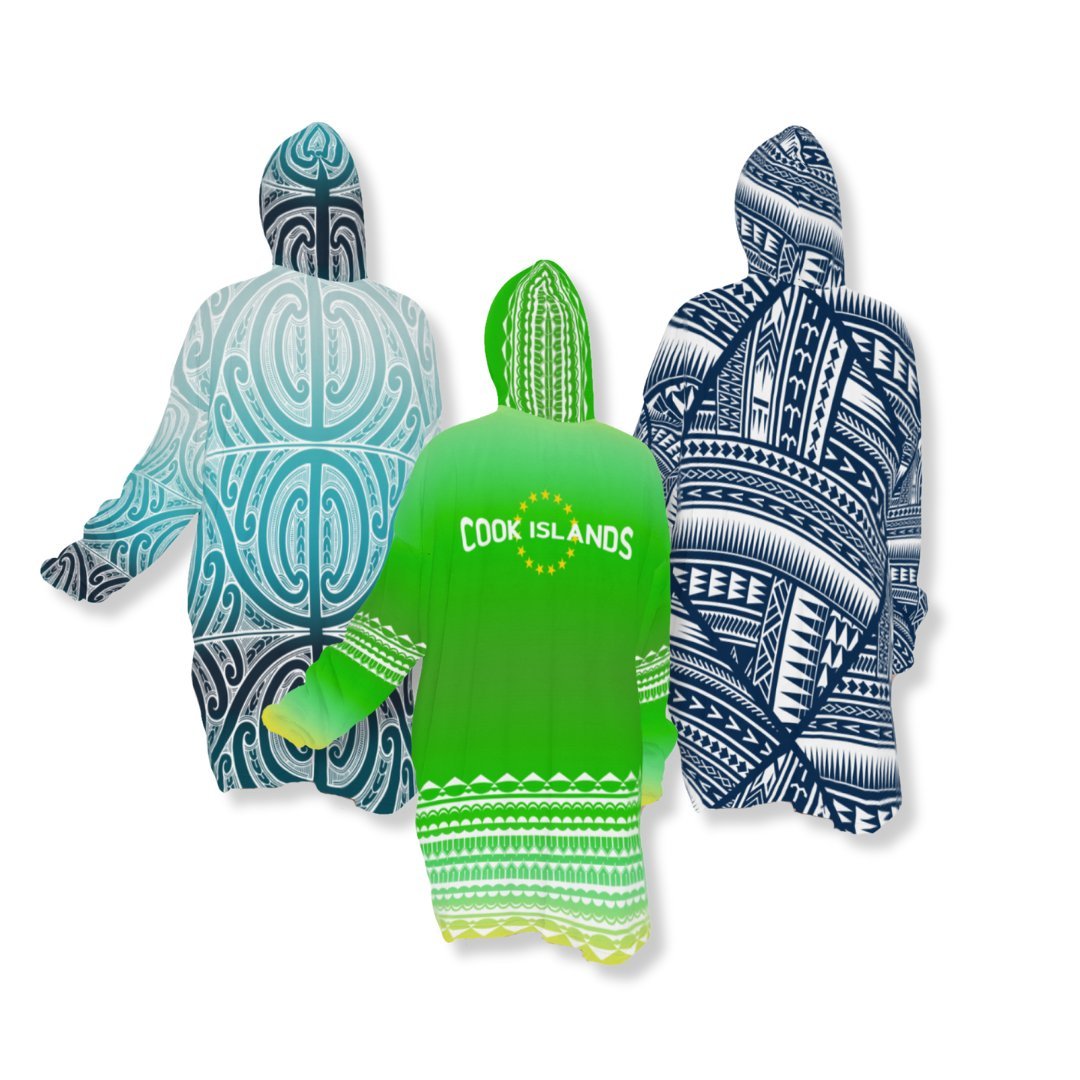
One of the strongest pieces of evidence of Lapita culture is their pottery. These clay pots were decorated with detailed geometric patterns: lines, dots, triangles and repeating shapes arranged with intention and skill.
These designs were not only practical. They were expressions of identity.
Today, echoes of these patterns can still be seen across the Pacific in:
-
tattoos
-
tapa and ngatu
-
weaving
-
wood carving
-
clothing designs
-
modern cultural artwork
The tools have changed, but the creativity has not. The same artistic DNA lives on in Pacific communities everywhere.
Their Relationship With Land, Food and Sustainability
The Lapita people carried crops and farming knowledge that allowed them to survive wherever they settled. They introduced staples that are still part of Pacific diets today, including:
-
taro
-
yam
-
coconut
-
breadfruit
They understood how to live with the land, not against it. They fished with respect, farmed with understanding and learned the rhythms of new environments. This taught them how to build stable communities across different islands.
As modern Pacific communities face challenges such as climate change and food security, the values of sustainable living and respect for the land remain deeply important.
Family, Community and Respect
The Lapita could not have survived their journeys without strong community. Their survival depended on working together, honouring leadership, respecting elders and raising children as a collective.
These values continue in Pacific cultures today. Whether you call it aiga, famili, whānau or ohana, the meaning is the same. Family is not limited to those inside our homes. Family is community.
This is one of the strongest gifts passed down from our ancestors. When the world encourages people to focus only on themselves, Pacific culture reminds us that we are stronger together.
Storytelling and Oral Tradition
Before writing existed, the Lapita taught their knowledge through stories, chants, songs and conversations around the fire. This was how they passed down navigation skills, cultural laws, history and wisdom.
Today, Pacific Islanders continue this tradition. We share stories with our children, keep our languages alive, pass down legends and teach values through conversation and song. This tradition connects us directly to the Lapita world.
Honouring Our Lapita Ancestors
Understanding our ancestry is not just about looking backward. It is about recognising the strength that flows into us from the people who came before us.
The Lapita were not simply survivors. They were creators of the first Pacific communities. They were innovators, leaders and protectors. Their decisions, courage and vision shaped the islands we call home.
When we honour them, we honour the foundation of our identity.
What the Lapita Passed Down to Us
Even if we cannot see them, their influence surrounds us.
We inherit:
-
their courage
-
their discipline
-
their creativity
-
their respect for land and sea
-
their love for family
-
their way of working together
-
their strength to begin again
These traits did not disappear. They live in Pacific people across the world.
Our Connection Is Timeless
The Lapita people may no longer exist as a named ethnic group,
but their descendants and their ancient Austronesian ancestors are alive throughout the Pacific.
Their legacy can be seen in:
-
Tonga, Samoa and Fiji
-
Vanuatu, New Caledonia and the Solomon Islands
-
Hawai‘i, Tahiti, Rarotonga and the wider Eastern Polynesian world
-
Aotearoa, where Māori carry the same deep Polynesian roots and ancestral journey
-
Many Micronesian islands, whose people share these ancient Austronesian origins and, in some regions, Lapita influence
From Guam to Kiribati, from Hawai‘i to Aotearoa, from Tonga to Tahiti, our shared values of family, community, navigation, craftsmanship and honour echo the same ancient story.
These connections show in our languages, our traditions and the way we hold our elders and families close. They are written in our DNA, in our worldview and in the way we understand the ocean as both a pathway and a home.
When Pacific people stand firm in who we are, rooted in faith, honouring culture and protecting our families, we prove that the courage of our ancestors was not wasted.
We are the living continuation of their journey.
We are the Pacific they dreamed of.
We are the legacy they set in motion.
YouTube video by The Tel on the topic of Ancient Voyagers
Related Posts

Bougainville Belongs Here
At Nesian Kulture, we include the Bougainville flag because we honour identity beyond politics. Bougainville may not be an independent...
En savoir plus
ONE FAMILY. MANY ISLANDS — THE STORY BEHIND THE WORDS
Discover the true story behind Nesian Kulture’s tagline “One Family. Many Islands.” — a movement born from Susan’s childhood as...
En savoir plusInvalid password
Enter